
Content Strategy for Business Growth
Creating content consistently is not enough to grow a business online.
Many businesses publish content across social media platforms, websites, blogs, and email campaigns but still struggle to generate qualified leads, strengthen their brand presence, or create lasting customer relationships.
The problem is rarely the amount of content being produced.
The real challenge is the absence of a clear strategy.
At Lifestyle Industries, we believe content should have a purpose. Every piece of content should contribute to a larger goal, whether that means increasing visibility, generating leads, building trust, or nurturing long-term customer relationships.
Without a strategy, businesses often find themselves creating content simply for the sake of posting, which produces very little long-term growth.
What Is a Content Strategy?
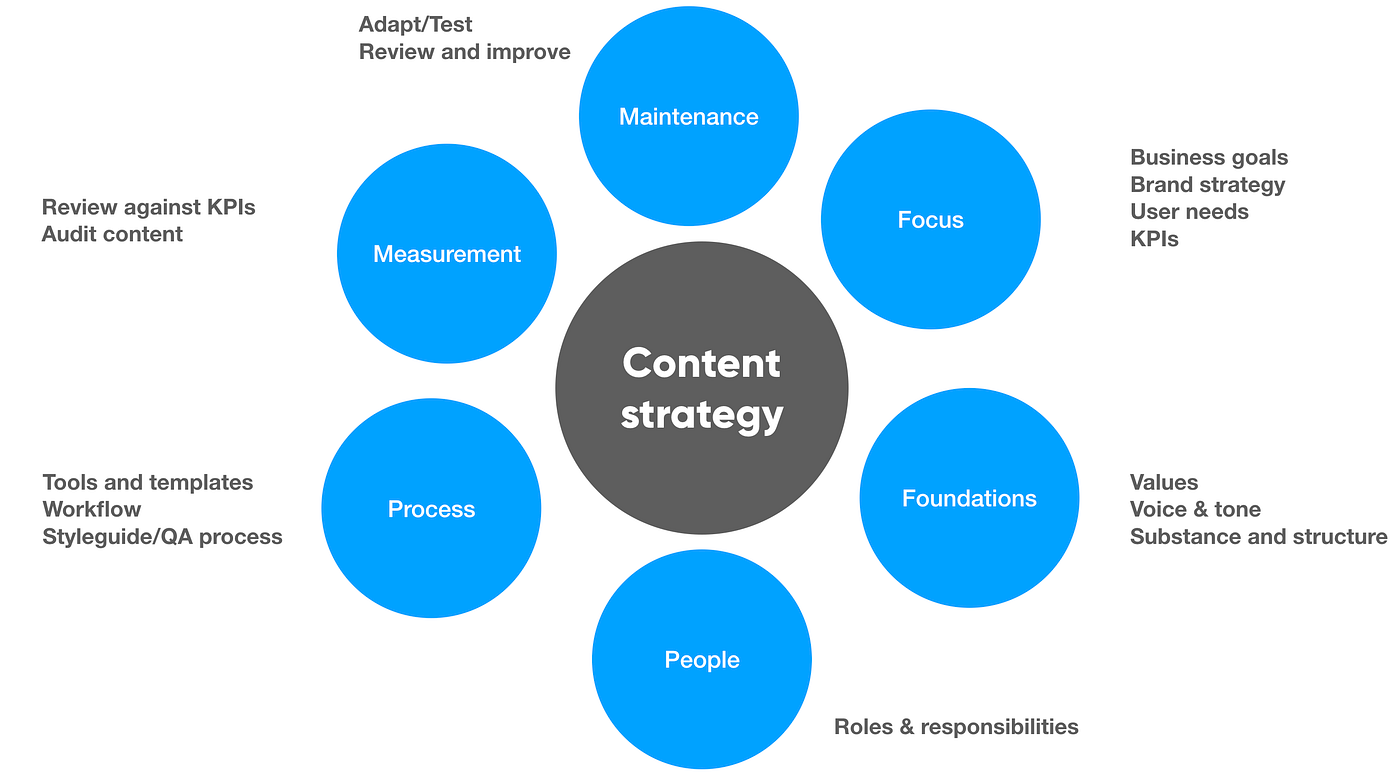
A content strategy is a structured plan that guides how content is created, published, distributed, and measured.
Instead of publishing random content, successful businesses focus on creating content based on:
Audience needs
Business objectives
Brand positioning
Customer pain points
Platform behaviour
Marketing goals
A strategic approach ensures that every piece of content contributes to meaningful business growth.
Why Content Strategy Matters
Today's customers expect more than sales messages.
They want valuable information, practical solutions, and genuine connections.
An effective strategy helps businesses:
Build authority and credibility
Increase brand awareness
Generate qualified leads
Strengthen customer relationships
Improve online visibility
Support long-term business growth
At Lifestyle Industries, we help businesses create systems that transform content into a powerful growth asset rather than another task on a to-do list.
Start With Clear Business Objectives

Every successful content strategy begins with clearly defined objectives.
For example:
Brand awareness focuses on increasing visibility.
Lead generation focuses on attracting potential customers.
Customer retention focuses on strengthening relationships.
Authority building focuses on educating and inspiring audiences.
Before creating content, businesses should define:
Who they want to reach
What they want to achieve
How success will be measured
Clarity creates consistency.
Understand Your Target Audience
Content should always be created with the audience in mind.
Businesses should understand:
Customer challenges
Goals and ambitions
Interests and behaviours
Buying habits
Preferred platforms
Rather than asking, "What should we post today?", businesses should ask, "How can we create something genuinely valuable for our audience?"
This shift in perspective often changes everything.
Define Your Core Content Pillars

Content pillars provide structure and consistency.
At Lifestyle Industries, some common content themes include:
Business automation
Digital marketing
Personal branding
Lead generation
Content creation
Business growth strategies
Strong content pillars help businesses maintain focus while establishing authority within their industry.
Create Content for Different Stages of the Customer Journey
Different audiences require different types of content.
Awareness
The goal is to attract attention.
Examples include:
Educational articles
Social media content
Industry insights
Short-form videos
Consideration Content

Consideration content helps audiences evaluate whether your business can solve their problem.
Examples include:
case studies
testimonials
tutorials
comparisons
webinars
The goal is building trust and credibility.
Conversion Content
Conversion content encourages action.
Examples include:
offers
consultations
sales pages
product demonstrations
call-to-action posts
The goal is generating leads or sales.
Focus on Value Before Promotion
Many businesses focus too heavily on selling.
However, audiences usually engage more with content that:
educates
solves problems
inspires
entertains
informs
Value builds trust.
Trust increases the likelihood of conversion later.
This does not mean avoiding promotion entirely.
It means balancing promotional content with genuinely useful content.
Consistency Matters More Than Perfection
Many businesses delay content because they want everything to be perfect.
This often leads to inconsistency.
Consistent publishing helps:
build audience familiarity
improve visibility
strengthen branding
increase algorithm reach
develop audience trust
Businesses do not necessarily need to post every day.
They need a sustainable system they can maintain consistently over time.
Use Multiple Content Formats
Different audiences consume content differently.
Strong content strategies often combine:
blogs
short-form video
long-form video
email marketing
podcasts
social media posts
carousels
webinars
Repurposing content across multiple platforms improves efficiency and reach.
For example:
one blog can become several social posts
a podcast can become short-form clips
a webinar can become email content
This maximises the value of each piece of content created.
SEO Plays a Major Role in Long-Term Growth

Search engine optimisation helps businesses attract long-term organic traffic.
Unlike temporary social media visibility, SEO content can continue generating traffic for months or years.
Businesses should focus on:
keyword research
search intent
helpful content
content structure
readability
topical relevance
Good SEO is not only about keywords.
It’s about creating content that genuinely answers user questions and provides value.
Build a Recognisable Brand Voice
Brand voice influences how audiences perceive your business.
Some brands communicate in a:
professional tone
conversational style
educational approach
humorous voice
analytical style
Consistency matters more than sounding perfect.
A recognisable voice helps audiences connect with your content more easily.
Use Analytics to Improve Strategy
Content strategy should evolve based on performance data.
Analytics help businesses understand:
which content performs best
what audiences engage with
traffic sources
conversion patterns
audience retention
Important metrics may include:
engagement rates
watch time
click-through rates
lead generation
conversions
website traffic
Data helps businesses make better content decisions over time.
Common Content Strategy Mistakes
Many businesses struggle because their strategy lacks focus or consistency.
Common mistakes include:
posting without clear goals
creating overly promotional content
ignoring audience needs
inconsistent branding
weak calls to action
poor content quality
failing to analyse performance
Content should support business objectives rather than exist purely for activity.
Content Strategy and Automation
Automation can help businesses manage content more efficiently.
Businesses now automate:
email campaigns
social media scheduling
lead nurturing
analytics reporting
content distribution
Automation improves consistency while reducing manual workload.
However, strategy and creativity still require human direction.
The Long-Term Value of Content
One of content marketing’s biggest strengths is compounding growth.
Unlike advertisements that stop producing results when spending stops, valuable content can continue attracting:
traffic
leads
engagement
brand visibility
Long-term content libraries become valuable business assets over time.
This is why many successful businesses invest heavily in content strategy.
Final Thoughts
Content strategy is not simply about posting more content.
It’s about creating intentional content that supports business growth through:
audience understanding
clear positioning
consistent messaging
valuable communication
strategic distribution
The businesses that grow successfully through content are usually the ones that focus on providing value consistently rather than chasing short-term visibility alone.
Start with clear goals, understand your audience deeply, and create content that genuinely helps the people you want to attract.
That foundation often produces far stronger long-term growth than random content creation.